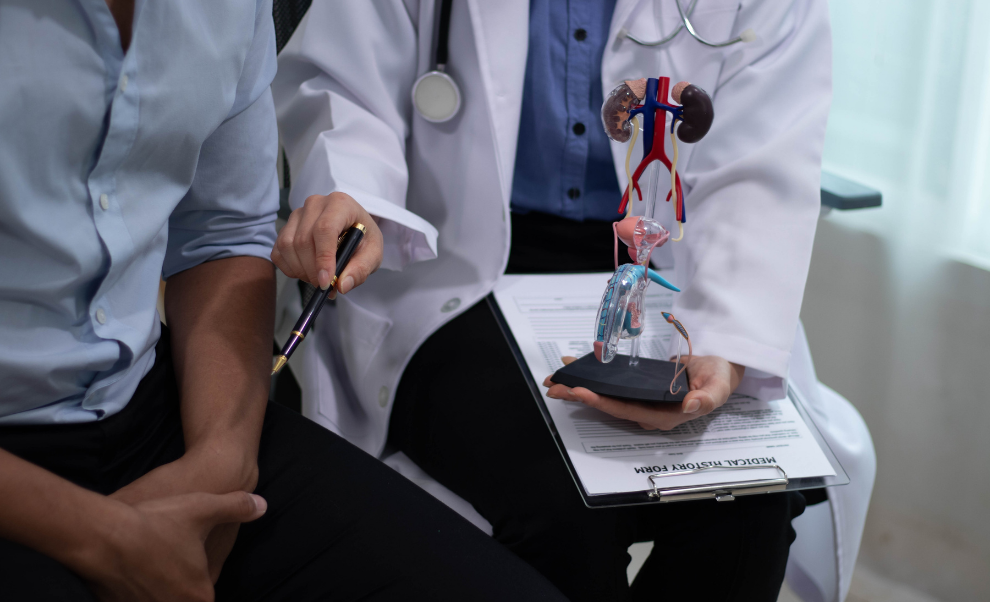
A Varicocoele is an enlargement of the veins within the scrotum, similar to varicose veins. It causes a detrimental increase in testicular temperature, leading to oxidative stress and impaired sperm and testosterone production. Microsurgical Varicocele Repair (Varicocoelectomy) is a precise, surgical procedure used to correct this condition.
This procedure is typically performed on an outpatient basis and aims to restore the optimal environment for sperm production.
Performed under high-powered magnification to isolate and ligate (tie off) the affected veins, ensuring no damage to the critical testicular artery or lymphatic drainage.
This approach has a lower recurrence rate and fewer complications (like hydrocele formation) than non-microsurgical, embolisation or laparoscopic approaches.
The repair can lead to significant improvements in sperm count, motility, and morphology, potentially improving natural fertility or success with IUI/IVF.
The repair is also a highly effective treatment for Varicocoele-related testicular pain.
The high level of microsurgical precision used by Dr. Shannon Kim is the key difference in Varicocoele repair.
By using the microscope, the specialist avoids vital structures, leading to the highest chance of sperm improvement and minimising the risk of complications.

Repair is often used as a crucial pre-treatment step for infertile couples. Optimising the environment first means subsequent ART treatments are more likely to succeed.
Our specialists consider the microsurgical approach to be the gold standard for Varicocoele repair due to its superior results and lower complication profile.

Kalix works with a network of trusted specialists across surgery, medicine, and allied health. Every clinician within the Kalix ecosystem is selected for their depth of expertise in their field.
By restoring normal blood flow and lowering testicular temperature, the repair reduces oxidative stress and allows the testicles to function better, often leading to improved sperm parameters.
The procedure is generally well-tolerated with mild post-operative discomfort managed by oral medication. Recovery is usually swift, allowing a return to non-strenuous work within a few days.

Start with your concern. Kalix will guide the rest.