

Kidney Stone Treatment involves the accurate diagnosis and expert management of stones that form in the kidneys or obstruct the urinary tract. While many stones pass naturally, our specialists provide cutting-edge minimally invasive surgical therapies to break up, remove, or prevent the recurrence of stones that cause pain, infection, or functional damage.
Many stones pass on their own. Where a stone is causing pain, infection or obstruction, the approach depends on its size, its position and how complex it is to reach, and every pathway finishes with a plan to reduce the chance of another.
Used for most stones. A fine scope passes through the urinary tract and a laser breaks the stone into fragments, usually with no external incision and a return to work within 1 to 3 days.
Reserved for very large or complex stones. The stone is reached through a small access point in the back and removed directly from the kidney.
A post-treatment workup looks for the cause of stone formation, coordinated with our endocrinology specialists where needed, so the plan addresses why stones are forming.
The Kalix Urology team provides precise, decisive intervention for stones, focused on safety and functional recovery.
We leverage the latest laser technology (Holmium/Thulium) and specialised access techniques, ensuring complete stone clearance and minimising the risk of recurrence or infection.
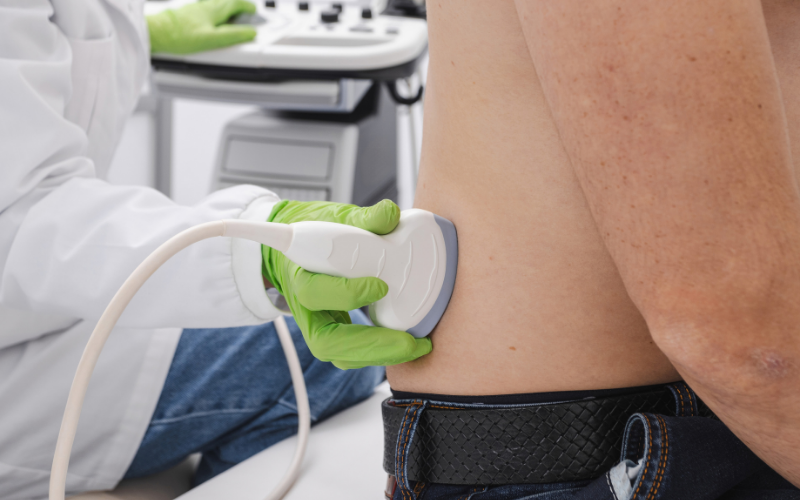
We prioritise procedures like Ureteroscopy, which allow for a rapid return to normal activities and often avoid external incisions.
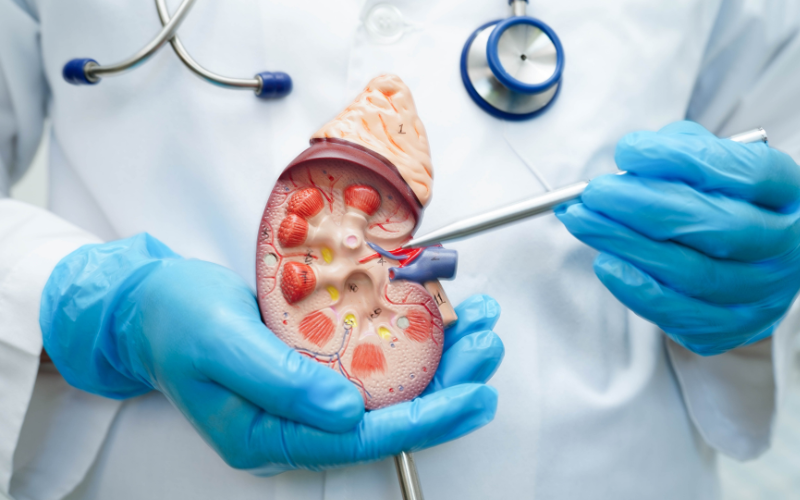
Our comprehensive care includes a post-treatment metabolic workup, co-ordinating with our Endocrinology specialists if needed, to address the underlying cause and actively prevent future stone episodes.
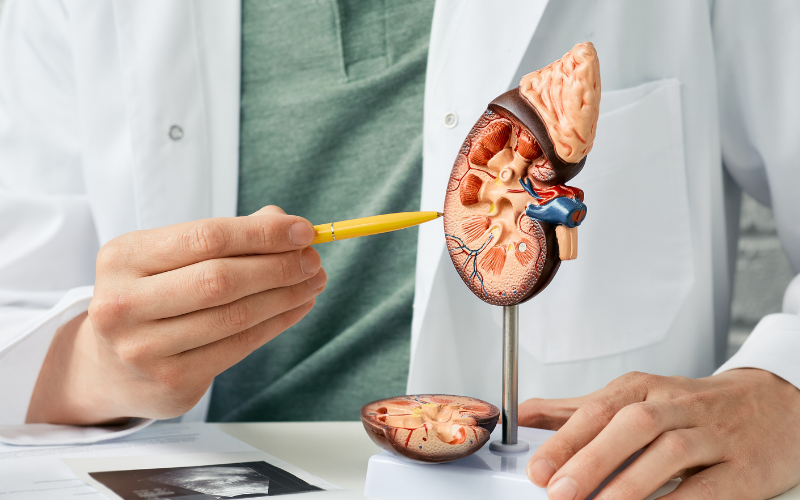
Kalix works with a network of trusted specialists across surgery, medicine, and allied health. Every clinician within the Kalix ecosystem is selected for their depth of expertise in their field.
Most stones can be treated with minimally invasive methods (Ureteroscopy). Major surgery (PCNL) is typically reserved for very large or complex stones.
For procedures like Ureteroscopy, many patients can return to work within 1 to 3 days, although this varies based on the size and complexity of the stone removal.

Start with your concern. Kalix will guide the rest.